Warming up the engine…
Practice Area
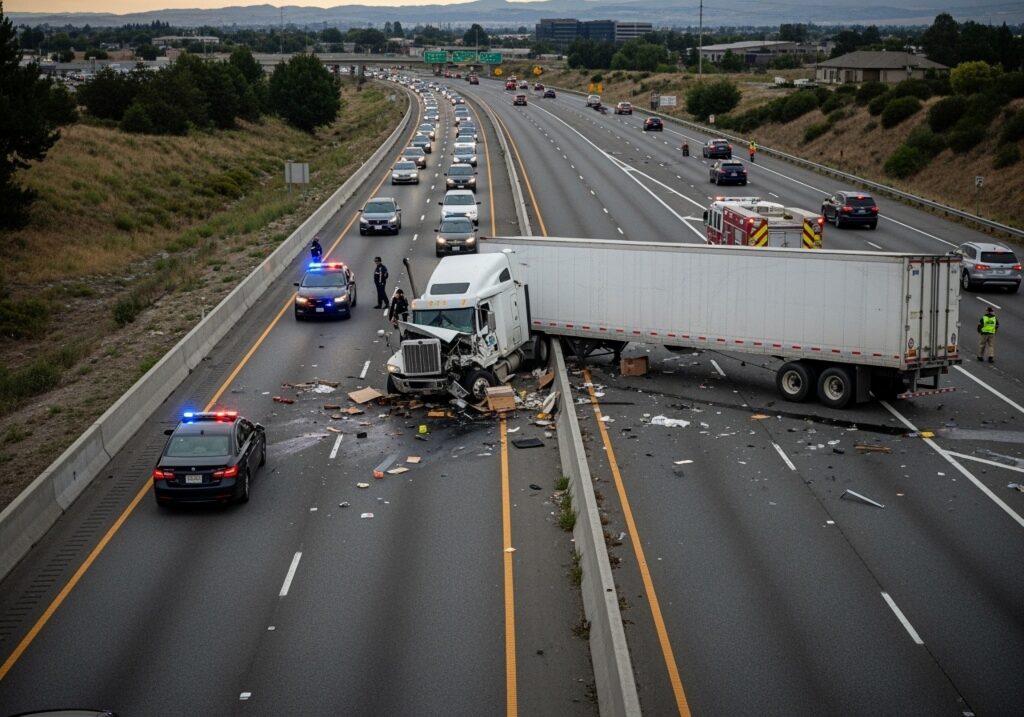
A fully loaded semi-truck can weigh up to 80,000 pounds. When one hits a passenger car, the injuries can be life-changing, and the trucking company’s team starts protecting its interests right after the crash. We start building your case just as quickly.
Free. Confidential. No obligation.
Commercial carriers must follow the Federal Motor Carrier Safety Regulations (FMCSR), including limits on driving hours, vehicle inspections, and drug and alcohol testing. When a carrier breaks those rules, it can be strong evidence in your case, but only if your lawyer knows how to find and use it.
The proof often lives in the truck and the company’s files: black box and electronic logging device (ELD) data, maintenance logs, and the driver’s qualification file. We act quickly to preserve that evidence before it is lost.

Common Causes
01
Federal hours-of-service rules limit most drivers to 11 hours of driving within a 14-hour window. Tight schedules push drivers past those limits.
02
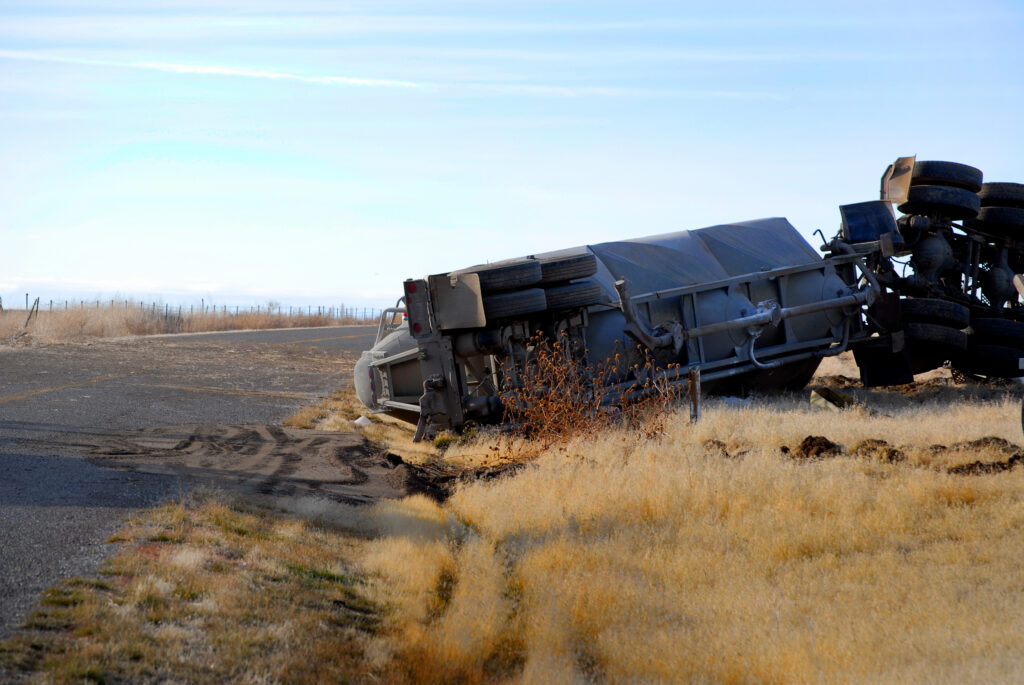
Hard braking, speed, or a shifting load can swing the trailer across lanes or tip the rig onto its side.
03
A heavy truck needs far more distance to stop than a car, leaving no room to react.
04
Worn brakes, bald tires, and faulty lights are preventable. Carriers must inspect, repair, and keep records.
05
Phones, dispatch devices, and drugs or alcohol slow reaction times, and federal rules restrict all of them.
06
Carriers must check a driver’s record and qualifications, and can be directly responsible when they don’t.
Who Is Responsible
Liability in a truck accident case can extend well beyond the driver.
Next Steps
01
Call 911 and get checked even if you feel fine. Some injuries, like brain and spinal injuries, show symptoms hours or days later, and medical records connect your injuries to the crash.
02
If it is safe, photograph the vehicles, the scene, the truck’s DOT number, and your injuries. Collect names and phone numbers of witnesses.
03
The trucking company’s insurer may call quickly. Avoid recorded statements and do not sign anything until you have talked with a lawyer.
04
We move to preserve driver logs, electronic data, and dash-cam footage before it is lost, and we handle the insurers so you can focus on your health.
FAQ
Truck claims involve federal safety regulations, commercial insurance policies, and corporate defendants with legal teams. The evidence is different too: logbooks, black box and ELD data, and company records that must be requested and preserved quickly.
Every state sets its own deadline. In Georgia and Ohio, for example, you usually have two years from the date of the accident to file a personal injury claim. However, deadlines can change depending on your situation, so talk to an attorney soon to protect your rights.
Many states use comparative negligence rules. In Georgia, for example, you can recover if you are less than 50% at fault. In Ohio, you can recover if your share of fault is not greater than that of the parties you are suing. In both states, any recovery is reduced by your share of fault, which is why insurers often try to blame the victim.
We follow a clear, step-by-step process so you always know where your case stands. Your first conversation is free, and there’s no obligation.
Free. Confidential. No obligation.
Black Trucking Lawyers serves truck accident victims nationwide through office locations across the United States.
Every state sets a deadline to file a personal injury claim, and evidence like black box and ELD data can disappear much sooner. Tell us what happened and we will explain your options.
Free. Confidential. No obligation.
Free. Confidential. No obligation.